
Headaches are among the most common neurological complaints and can range from occasional mild discomfort to severe, recurring pain that affects work, sleep, concentration, and everyday activities. While many headaches are not serious, frequent, severe, or changing headaches should be properly evaluated to identify the underlying cause.
Dr. Neeta Garg provides specialized neurological care for patients experiencing migraine, chronic headaches, tension-type headaches, and other neurological causes of head and facial pain. The approach focuses on accurate diagnosis, identifying triggers, appropriate treatment, and long-term headache management.
A headache is pain or discomfort occurring in the head, scalp, or upper neck region. Headaches can have many different causes and may vary in intensity, location, duration, and associated symptoms.
Some headaches are primary headache disorders, such as migraine and tension-type headache, while others can occur because of another underlying medical or neurological condition. Proper assessment helps determine the type of headache and the most appropriate treatment approach.
Migraine is a neurological condition characterized by recurring attacks that may cause moderate to severe, often throbbing headache. It may be accompanied by nausea, vomiting, and increased sensitivity to light or sound.
Some people experience an aura before or during a migraine attack. Aura can include temporary visual changes, tingling or numbness, dizziness, or difficulty speaking.
Tension-type headaches are commonly described as pressure, tightness, or a band-like sensation around the head. They may be associated with stress, fatigue, or muscle tension around the head and neck.
When headaches become frequent or persistent, neurological evaluation can help determine whether additional treatment is required.
Headaches that occur frequently over an extended period can significantly affect quality of life. Chronic migraine and chronic tension-type headache may require preventive treatment rather than relying only on medicines taken during individual attacks.
Frequent or excessive use of headache medicines can sometimes contribute to more frequent headaches. This is known as medication-overuse headache and may make headaches more difficult to control.
Depending on the underlying cause, patients may experience:
Migraine attacks commonly last several hours and may continue for up to 72 hours.
Headache triggers vary from person to person. Some commonly associated factors include:
Keeping a headache or migraine diary can help identify individual patterns and potential triggers.
Accurate diagnosis is the first step toward effective headache management. Dr. Neeta Garg evaluates the patient's headache pattern, duration, severity, associated symptoms, medical history, medications, and possible triggers.
A neurological examination may also be performed. Brain imaging or other investigations may be recommended when the symptoms or examination suggest an underlying condition.
Not every headache requires brain imaging; the need for investigations depends on the clinical assessment and presence of warning signs.
Treatment depends on the type, frequency, severity, and underlying cause of the headache.
Depending on the diagnosis, treatment may include appropriate pain-relieving medicines, migraine-specific medicines, or medicines to control associated symptoms such as nausea.
The choice of medication should be based on the patient's individual medical history and should be taken according to medical advice.
Patients experiencing frequent or disabling headaches may benefit from preventive treatment. Depending on the condition, preventive medicines and non-medication approaches may be considered.
The aim of preventive care is to reduce the frequency and severity of attacks and improve the patient's ability to carry out normal daily activities.
Lifestyle changes can play an important role in headache management. Helpful measures may include:
These measures can complement medical treatment and help patients understand their individual headache patterns.
Migraine treatment generally involves two important aspects: controlling individual attacks and preventing future attacks when they are frequent or significantly affect daily life.
A personalized migraine management plan may include:
The goal is to reduce the impact of migraine on work, family life, sleep, and overall quality of life.
You should consider neurological consultation if:
Regular headaches should not simply be managed with repeated self-medication without understanding their underlying cause.
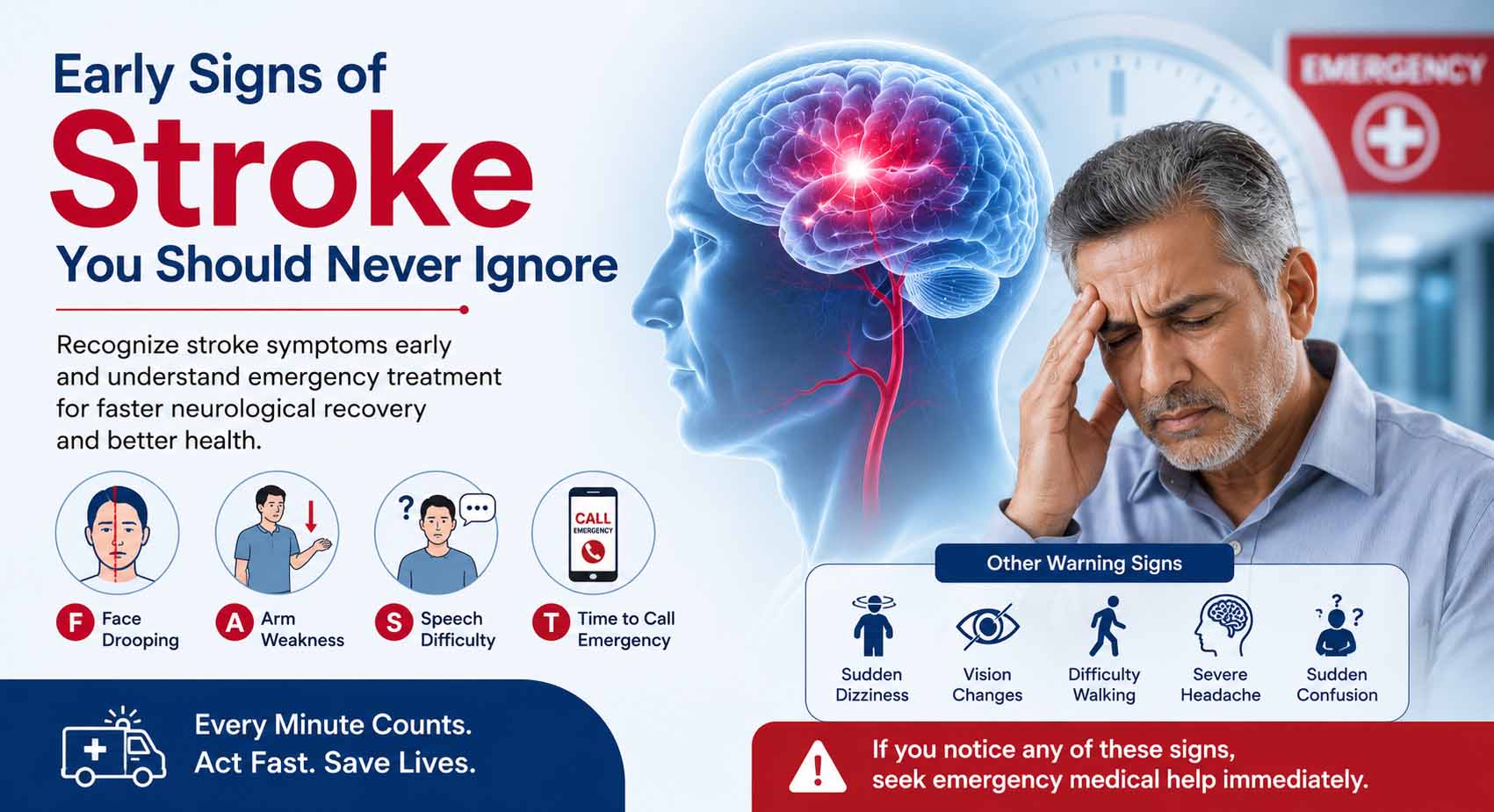
Some headaches can indicate a serious medical or neurological problem. Seek urgent medical attention if a headache:
A sudden, extremely severe headache or headache associated with neurological symptoms should be treated as a medical emergency.
Frequent headaches can affect concentration, productivity, sleep, relationships, and overall quality of life. Effective management involves more than simply treating pain when it occurs.
A comprehensive approach combines correct diagnosis, appropriate treatment, lifestyle management, trigger identification, and regular follow-up.
Dr. Neeta Garg is an experienced Neurophysician with specialized training in Neurology and a particular clinical interest in headache and epilepsy.
Her approach to headache care focuses on understanding each patient's symptoms, identifying the type and possible triggers of headache, providing an appropriate treatment plan, and supporting long-term symptom management.
Patients experiencing recurrent migraine, chronic headaches, tension-type headaches, or unexplained neurological head pain can seek a detailed neurological evaluation and personalized care.